Terai
RelaxRest, wellness, religious and wildlife tourism, for the Indian and Chinese markets.
Lumbini, Tilaurakot, Janakpur, Chitwan, Bardiya, Koshi Tappu
I research and teach tourism development at Lumbini Buddhist University, where I head the Department of Management. My work argues for a balanced tri-geographic model: the Terai a place to rest, the Hills a place to roam, the Mountains a place to climb, so that visitor value reaches all seven provinces rather than three destinations.
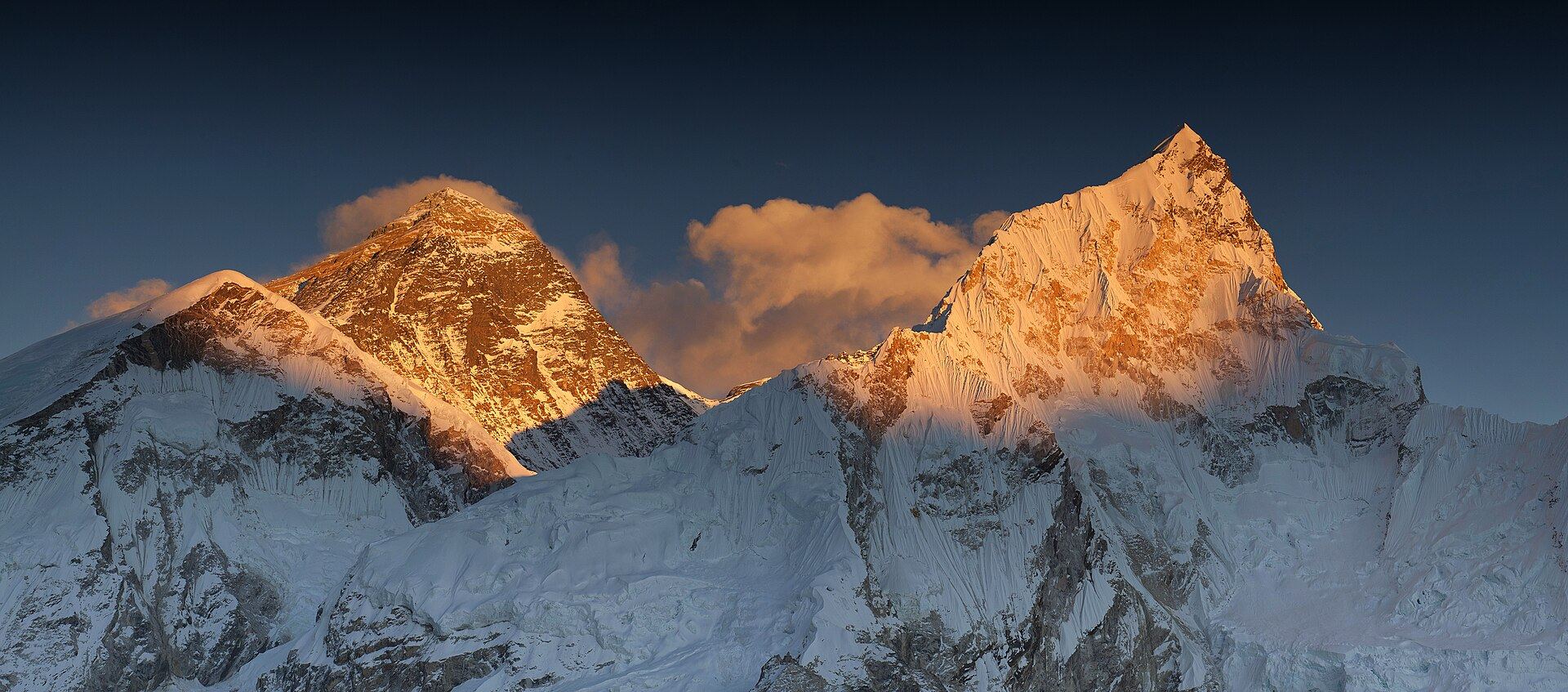
Nepal's three belts are not competitors for the same visitor; they are three complementary reasons to come, and to stay longer. Each is developed on its own terms, answering the value-versus-volume question belt by belt.
Rest, wellness, religious and wildlife tourism, for the Indian and Chinese markets.
Lumbini, Tilaurakot, Janakpur, Chitwan, Bardiya, Koshi Tappu
Rural, cultural, agro- and homestay tourism, and learning-oriented travel.
Homestay networks, short treks, paragliding, agro-tourism, meditation retreats
Mountaineering and high-altitude trekking, on a safety-first premium footing.
Sagarmatha, Annapurna, Manaslu, glacier and geo-tourism
Applied with the 5A framework (attraction, accessibility, amenities, activities, ancillary services) and aligned to UNWTO sustainable-tourism goals. Set out in the concept paper Balanced Tourism Development and Promotion in Nepal, Lumbini Buddhist University, 2081.
Nepal closed January to September 2025 at 815,273 international arrivals, roughly 98% of the 2019 pre-pandemic benchmark, while tourism value stayed concentrated in Everest, Annapurna and the Kathmandu Valley.
Across sixteen periodic plans since 1956/57, the 1972 Tourism Master Plan and the interrupted 2016 to 2025 strategic plan, strong opening ambition has repeatedly been undermined by weak continuity between one plan and the next.
354 climbers summited Everest in a single day in 2019, and close to three hundred mountaineer remains have never been recovered from the region: the cost of treating capacity as an outcome rather than a plan.
Field research in the Solukhumbu corridor documents weak waste-management practice, limited cultural-preservation advocacy among guides, and income volatility that drives porters, guides and residents toward outward migration.
Students accumulate around three and a half years of professional industry experience during the degree itself, certified alongside the academic award.
Students study within five-star hotel environments while working up to 30 hours a week with stipend support.
College and resort integrated into a single experience-based campus, through the merger of Arambha Group of Hospitality Ltd. and Western Mega College, Lumbini Province's first hospitality and tourism college.
AI-integrated business and entrepreneurship education, with computer-based semester examinations and LMS-based experiential learning.
Ethical, industry-oriented hospitality leadership, integrating Buddhist philosophy and mindfulness into management education.
Work-based learning systems, vocational and diploma skill programmes, and employability-focused collaboration between universities, hotels and tourism enterprises.
Hospitality service quality and customer satisfaction. Its findings became the basis for the work-based learning systems now running at Lumbini Buddhist University.
Industry and academia collaboration, curriculum and workforce development, destination planning, and conference panels on sustainable and Buddhist heritage tourism.